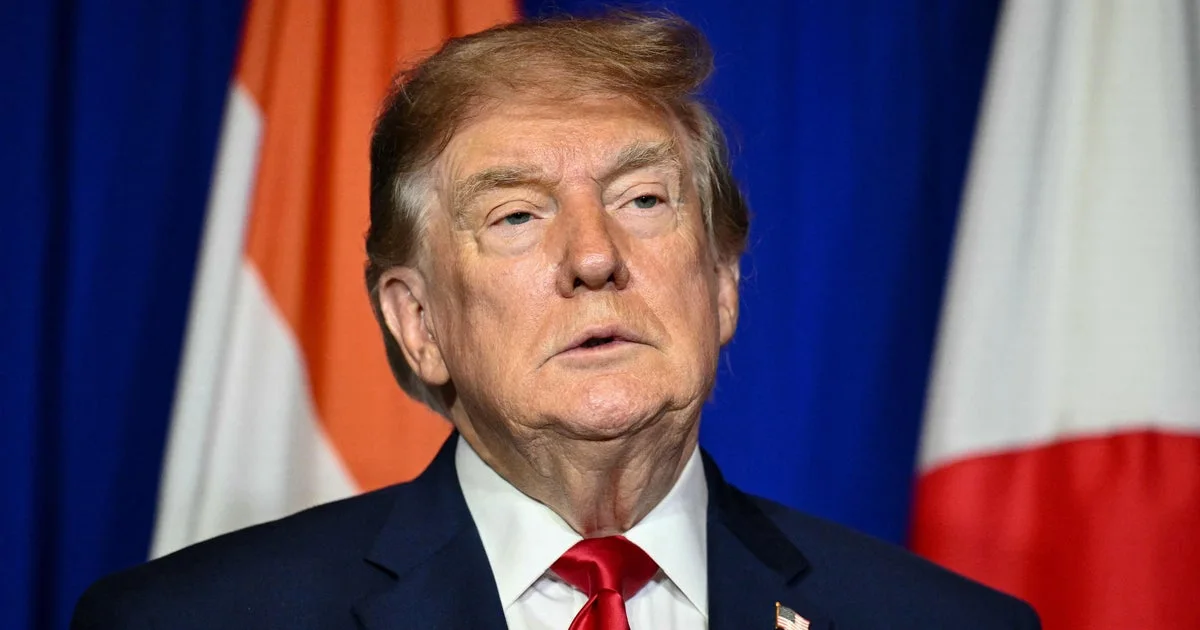
Trump Warns of Biological Weapons Indications
As the conflict between the United States, Israel, and Iran approaches its ninth month, President Trump told Fox News that there are indications Iran may be working on biological or chemical weapons. Meanwhile, military operations continue to escalate across the region. On Tuesday, the U.S. military launched defensive strikes targeting military infrastructure on Iran's strategic Qeshem Island, situated in the northern part of the vital Strait of Hormuz.
The naval corridor has become a primary flashpoint, with ongoing disruptions severely restricting oil exports from Gulf nations. Iran's Islamic Revolutionary Guard Corps claimed Thursday that two more unidentified oil tankers struck naval mines and caught fire in the passage, aligning with frequent daily claims from Tehran. While most of these claims remain unverified, a British naval monitor, the U.K. Maritime Trade Operations center, confirmed that an unknown projectile struck a tanker in the area on Wednesday.
Key Developments in the Gulf Crisis
- Biological Weapons Warning: President Trump stated there are indications Iran could be working on biological or chemical weapons.
- Defensive Military Strikes: The U.S. carried out strikes on military infrastructure at Qeshem Island inside the Strait of Hormuz.
- Tanker Incidents: The IRGC claimed two tankers hit naval mines, while British maritime monitors confirmed a separate projectile strike.
IEA Cites Worst Energy Security Threat
The prolonged Middle East crisis, which began in February when the U.S. and Israel bombed Iran, has generated the largest threat to energy security in history, according to the International Energy Agency. In its flagship annual World Energy Outlook released Thursday, IEA Executive Director Fatih Birol stated that the current disruption dwarfs the scale of the 1970s oil shocks.
With Iran blockading the Strait of Hormuz—a crucial transit route that previously carried about one-fifth of global oil shipments—supply lines remain severely disrupted despite U.S. naval escort efforts. Although producing nations have brought additional supplies to market and governments have intervened to shield consumers, households worldwide continue to face soaring energy prices and supply shortfalls, leaving lasting marks on the global economy.
Comments