Key Developments
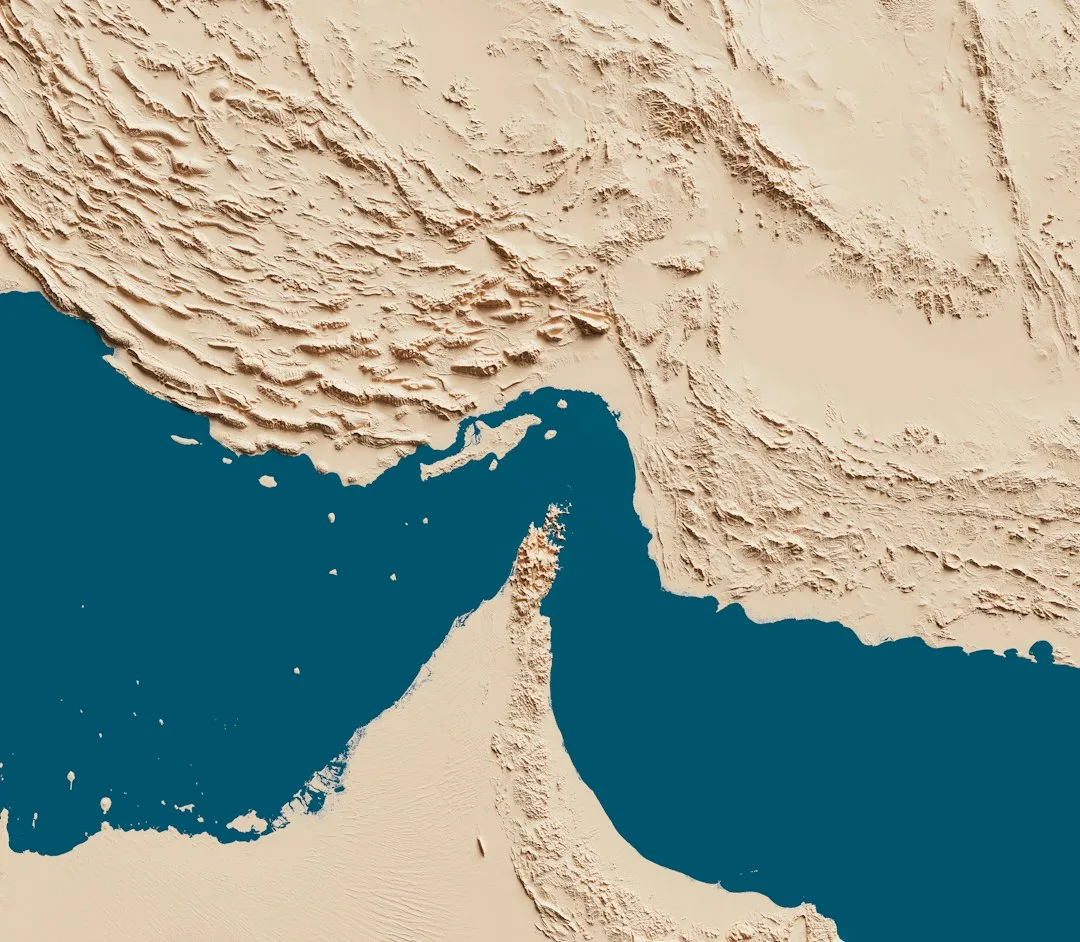
The Strait of Hormuz is experiencing a record surge in reported attacks on ships, with October 2026 marking the busiest month for such incidents since March. This comes as multiple new attacks were reported on Friday and Saturday, October 17, 2026, intensifying concerns over maritime security in the vital waterway.
On Saturday, Iran's Revolutionary Guards Corps stated that a supertanker, carrying over two million barrels of crude oil, was on fire in the Strait of Hormuz. The Iranian military claimed the vessel struck a mine while attempting to pass illegally through the strait, in violation of regulations and with U.S. support, having deactivated its tracking systems. A video of a burning vessel was also posted by the Guards, though the exact location of the incident was not specified.
Separately, the U.K. Maritime Trade Operations (UKMTO) monitoring agency reported two distinct attacks on Friday. One incident involved a tanker off the coast of Saudi Arabia being struck by a rocket-propelled grenade (RPG) fired from a small boat. This attack resulted in damage to the vessel's aft port quarter, though all crew members were reported safe. The full extent of the damage and potential environmental impact from this incident remained unknown at the time of the report.
The UKMTO also confirmed a second attack on Friday in the Persian Gulf, off the coast of Saudi Arabia, where a vessel was hit by an "unknown projectile." In this case, all crew were reported safe and evacuated, with no environmental impact reported immediately. The agency highlighted that it is "struggling to accurately report" the true number of attacks, as many ships are now refusing to report incidents.
Key Takeaways
- Reported attacks on ships in the Strait of Hormuz have reached record highs, with October 2026 being the busiest month since March.
- Recent incidents include an Iranian report of a supertanker hitting a mine and two separate UKMTO reports of vessels struck by an RPG and an "unknown projectile" off Saudi Arabia.
- Maritime monitoring agencies face challenges in accurately tracking incidents due to ships increasingly refusing to report attacks.
Why It Matters
The escalating frequency of attacks in the Strait of Hormuz, a critical chokepoint for global oil shipments, poses significant risks to international trade and energy security. The waterway is central to Middle East war dynamics, and any disruption can have far-reaching economic consequences. The reported incidents underscore the volatile security environment, making safe passage increasingly precarious for commercial vessels. Furthermore, the difficulty faced by monitoring agencies in obtaining accurate data highlights a growing lack of transparency, complicating efforts to assess and mitigate risks in this strategically vital region.
Comments