Key Developments
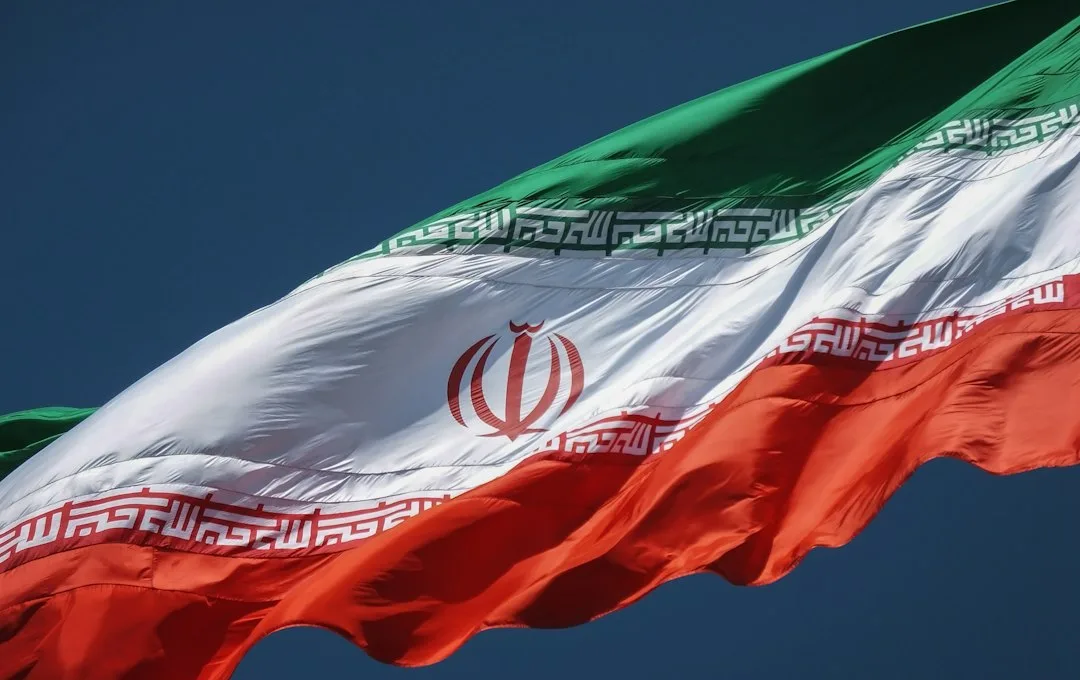
Iran has declared its closest-ever relationship with Russia following a visit by President Putin's top envoy. This assertion directly contradicts President Trump's statements suggesting Moscow is not assisting Iran in the ongoing conflict. The announcement of strengthened ties emerges amidst heightened regional tension and continued diplomatic efforts.
Concurrently, negotiations between Iran and the United States are proceeding, as confirmed by Qatari Foreign Ministry spokesman Majed al-Ansari. Speaking at the Global Security Forum in Doha, al-Ansari stated that "The negotiation is ongoing. We are seeing engagement from the parties." While he did not detail direct contacts, he emphasized ongoing discussions with regional partners and warned that unchecked escalation could lead to a regional war extending beyond current borders.
On Tuesday morning, Iran's Islamic Revolutionary Guard Corps (IRGC) claimed to have destroyed another U.S. MQ-9 Reaper drone over the Strait of Hormuz. This incident contributes to a significant loss of U.S. unmanned aerial vehicles; a September Congressional Budget Office report indicated at least 24 American MQ-9 Reapers, two MQ-1 drones, and an MQ-4C Triton have been lost since the U.S. war with Iran began, totaling over $800 million in costs.
The IRGC also reported attacking two oil tankers in the Strait of Hormuz. These vessels were allegedly attempting to transit the vital waterway without Iran's permission, using a southern route endorsed by the Trump administration but not recognized by Tehran. The IRGC claimed to have used sea mines, causing fires on board and forcing the unnamed ships to halt. Iran has consistently targeted vessels in and near the Strait of Hormuz for months, challenging the Trump administration's claims that the shipping lanes are open to commercial traffic and that the U.S. military maintains complete control of the waterway.
Key Takeaways
- Iran asserts its strongest-ever ties with Russia, directly refuting U.S. claims about Moscow's disengagement.
- U.S.-Iran negotiations continue via mediators, with Qatar warning of potential regional war if tensions escalate.
- Iran's military claims destruction of a U.S. drone and attacks on two oil tankers in the Strait of Hormuz, marking significant escalations.
Why It Matters
The combination of Iran's claims of strengthened Russian ties, ongoing U.S.-Iran negotiations under threat of renewed strikes, and direct military actions in the Strait of Hormuz signals a deeply volatile geopolitical landscape. Iran's targeting of U.S. drones and commercial shipping not only challenges U.S. military presence and control in a critical global chokepoint but also demonstrates its willingness to escalate. The Qatari warning of a potential regional war underscores the severe risks associated with the current trajectory, highlighting the urgent need for diplomatic breakthroughs to prevent wider conflict. The reported losses of U.S. drones also point to the significant financial and strategic costs of the prolonged engagement.
Comments