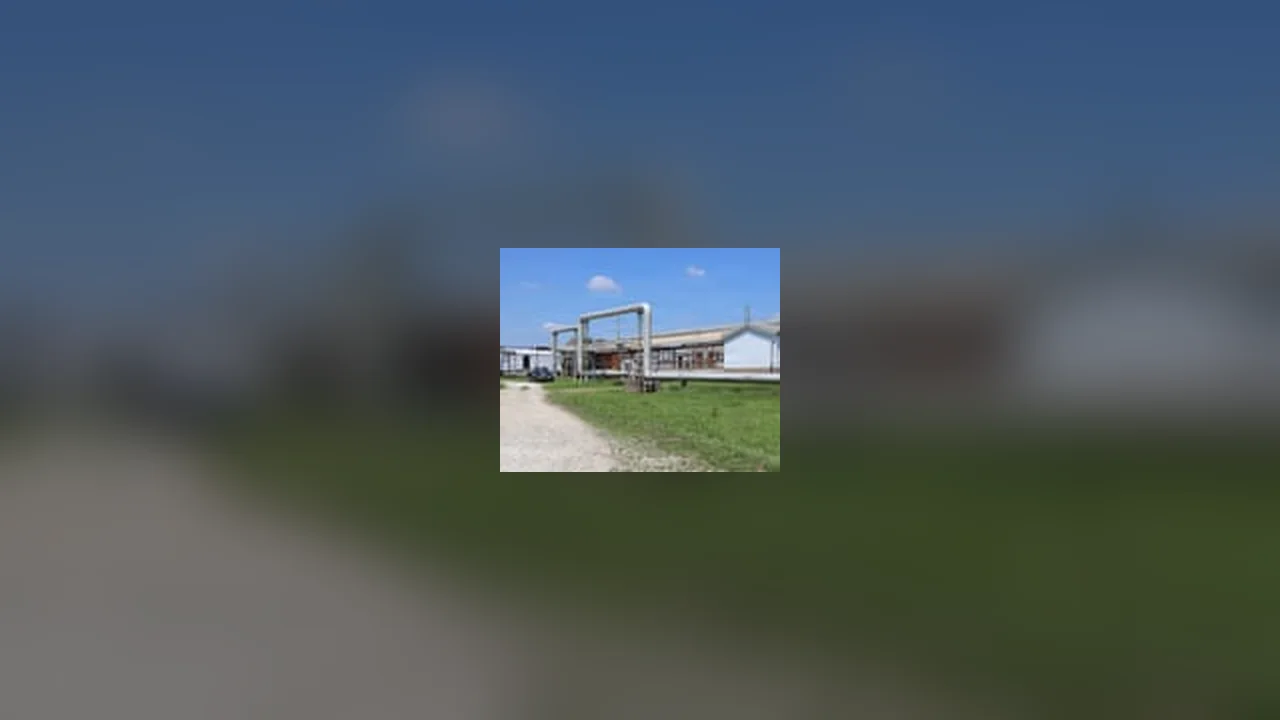
Army Postpones Middletown Lead Azide Explosion
The US army has postponed its scheduled Friday plan to detonate approximately 5 tons of lead azide in Middletown, Iowa, following widespread public concern and sharp political backlash regarding potential health risks. Army officials had initially planned the controlled explosion for noon on Friday, describing it as the safest method to dispose of the highly sensitive compound. The operation involved storing barrels of the material inside concrete structures surrounded by sand-filled Hesco barriers reaching two stories high, with nearby residents advised to evacuate temporarily due to potential window-breaking vibrations.
Acting US army secretary Adam Telle announced the delay on Thursday, acknowledging the intense public scrutiny and noting that public communication is essential to building public trust. The controlled detonation is now expected to proceed on Monday, which Telle described as the "latest possible moment" before temperature thresholds complicate the timeline. The delay provides a brief pause as federal officials engage with state leaders to address mounting questions about safety and transparency.
Key Details of the Delayed Iowa Operation
- Chemical Material: The army planned to destroy about 5 tons of lead azide, a highly sensitive bomb-making chemical, via controlled detonation in Middletown, Iowa.
- Public Health Concerns: The explosion is expected to produce a plume containing lead particles that could drift north, prompting some local schools to cancel classes and leaving residents worried about lingering dust.
- Political Backlash: Iowa's top leaders learned of the plan alongside the public, leading governor-elect Rob Sand to criticize the unacceptable lack of communication and clarity from officials.
Public Safety and Communication Breakdown
The controversy exposed significant friction between federal military plans and local community awareness. Nearly 400 people reside directly in Middletown, while thousands more live within the projected path of the lead dust plume. Although the army issued advisories to clean cars, windowsills, and outdoor surfaces after the blast, residents voiced skepticism on social media regarding the adequacy of these precautions. Updated maps tracking the plume's shift based on weather conditions further heightened anxiety.
Iowa state leaders learned about the public advisory alongside ordinary citizens, with Governor Kim Reynolds's office first briefed on a Monday. Governor-elect Rob Sand publicly denounced the handling of the situation on Thursday, demanding to know why alternative disposal methods were dismissed if this was truly deemed the safest option. The rescheduled Monday timeline leaves a narrow window for federal authorities to coordinate with state officials and reassure a concerned public.
Comments