Key Developments
A rare nationwide halt issued by the Federal Aviation Administration grounded or delayed approximately 10,000 flights from coast to coast for nearly five hours on Friday evening. The incident marked the first major federal crisis since the midterm elections, exposing severe vulnerabilities in the nation's flight safety system.
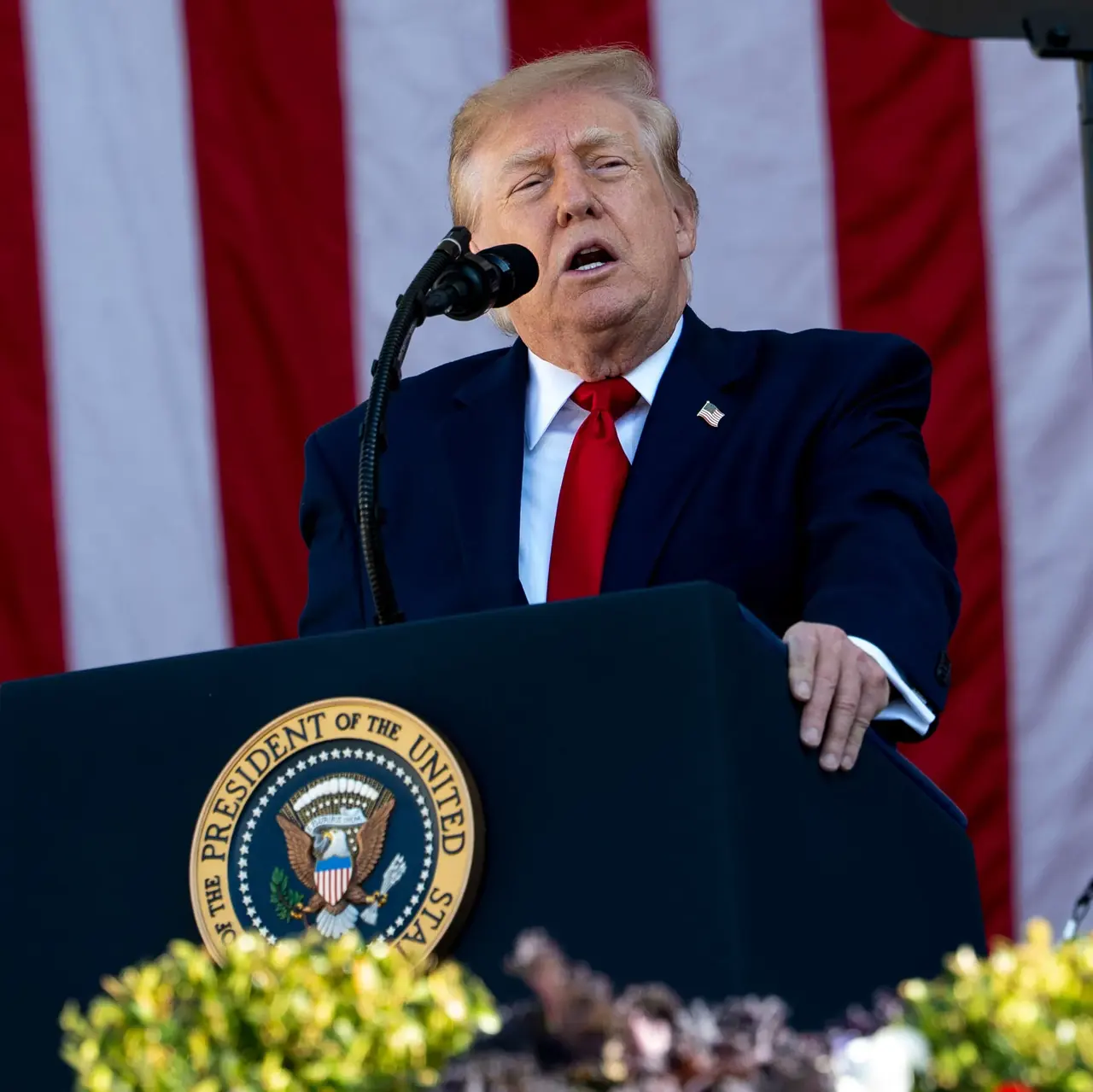
While Transportation Secretary Sean Duffy and Homeland Security Secretary Markwayne Mullin led a news conference to explain the situation, President Trump remained behind the scenes at the White House. During the height of the crisis, the president turned to social media to write about the entertainment industry, calling for tax incentives to bring movie production back to the United States. By Saturday morning, Mr. Trump still had not publicly addressed the ground stop, instead shifting his social media focus to attack California Governor Gavin Newsom over the commutation of death penalty sentences.
Defending the president's absence from the cameras, Homeland Security Secretary Markwayne Mullin assured the nation during Friday night's briefing that Mr. Trump was fully engaged and intentionally allowing his appointed leaders to manage public communications.
Key Takeaways
- Nationwide Disruption: The FAA flight ground stop impacted roughly 10,000 flights nationwide over a five-hour period on Friday evening.
- Presidential Absence: President Trump stayed out of public view, leaving Transportation Secretary Sean Duffy and Homeland Security Secretary Markwayne Mullin to address the crisis.
- Alternative Focus: During the shutdown, Mr. Trump posted on Truth Social about the entertainment industry and later targeted California Governor Gavin Newsom.
Why It Matters
The decision by President Trump to let underlings bear the news of a major national transit crisis highlights a specific political strategy, particularly as Democrats in Congress vow to investigate the administration's handling of the shutdown. The event also underscores persistent anxieties regarding the fragility of the United States' air traffic infrastructure during critical disruptions.
Comments