Key Developments
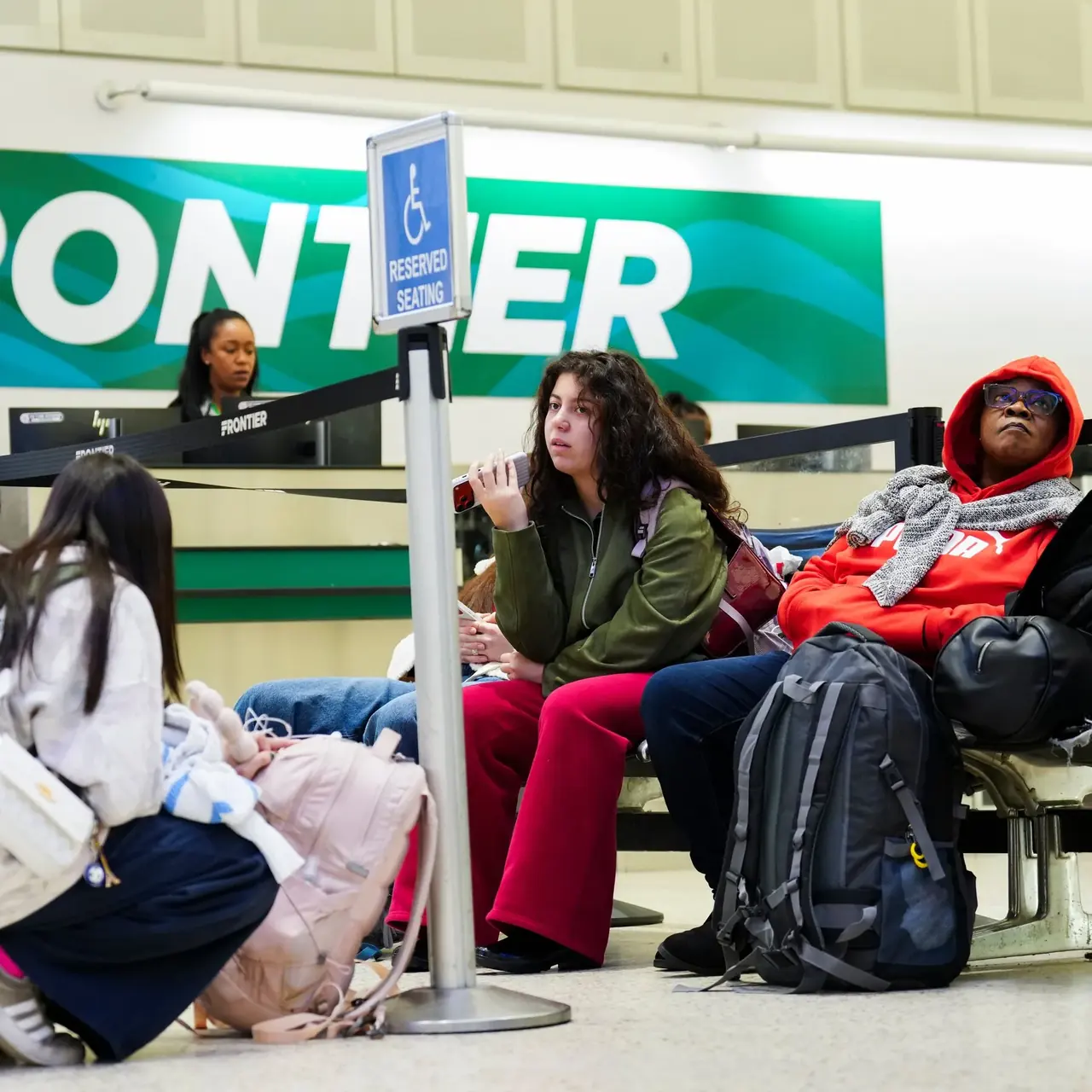
The near-total shutdown of the United States airspace concluded on Friday evening, but its ripple effects persisted into Saturday, resulting in thousands of canceled flights. By Saturday morning, nearly 15 percent of the day's scheduled flights had been scrapped, and that number continued to climb as airlines struggled to juggle schedules, rebook passengers, and reposition aircraft.
Aviation functions much like a relay race where planes, flight crews, and open airport gates must align perfectly. During Friday's ground stop, thousands of planes were pulled from the air and filled limited ground space, with many returning to the exact airports they had just departed. Jets sat idle at crowded airports while flight crews quickly hit their legal working limits.
Pilots are generally restricted to eight or nine hours of flying and a total shift length of 9 to 14 hours, with union contracts and airline policies often shrinking those windows further. Flight attendants face similar shift restrictions, and both groups require mandatory lengthy breaks between shifts. A pilot waiting for a ground stop to lift could easily time out, leaving airlines scrambling to find replacements for subsequent flights and causing system-wide schedule implosions.
Key Takeaways
- Nearly 15 percent of Saturday's flights were canceled by morning as airlines dealt with the aftermath of the airspace shutdown.
- Displaced aircraft and flight crews hitting their legal working limits have caused widespread scheduling gridlock.
- Aviation data and tracking firms show that thousands of planes ended up out of position, requiring days to fully reorganize.
Why It Matters
The intricate nature of commercial aviation means that a localized or national disruption does not instantly resolve when a ground stop is lifted. Because planes, pilots, and flight attendants are constantly moving on tight schedules across the country, a disruption in one hub cascades rapidly into dozens of other routes. Rebuilding these complex schedules requires careful coordination to match available crews with misplaced jets, ensuring that the recovery process will most likely last for several days.
Comments