Key Developments
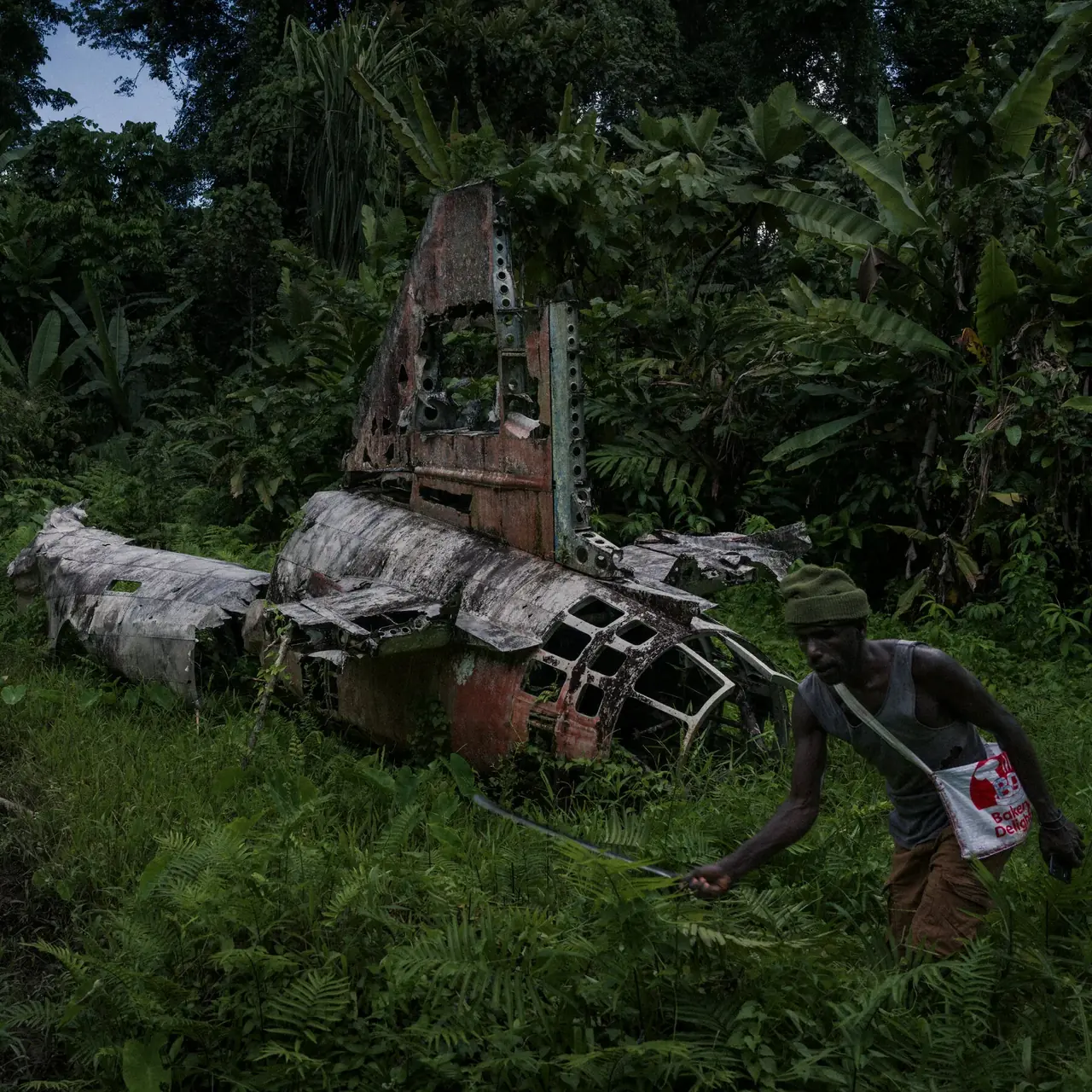
A group of tourists, villagers, and journalists recently embarked on a challenging expedition deep into the jungle of Bougainville Island, an autonomous region of Papua New Guinea in the Solomon Sea. Their destination was the crash site of a Mitsubishi G4M1—code-named 'Betty' by Allies—which carried Japanese Navy Adm. Isoroku Yamamoto during World War II.
The journey to the remote site is arduous and expensive, involving flights to Port Moresby and Buka, a ferry ride across a narrow strait, and hours of travel along rough, unsealed roads via troop carriers and four-wheel-drive vehicles. The final leg requires fording streams and bushwhacking through dense vegetation with the aid of machetes. Despite the harsh conditions, war history buffs, Japanese pilgrims, and content creators have increasingly made the pilgrimage to the site where Admiral Yamamoto was shot down by American P-38 Lightning fighters during Operation Vengeance in April 1943.
Key Takeaways
- Historic Crash Site: The remnants of Admiral Isoroku Yamamoto's plane have rested in the Bougainville jungle for roughly 80 years.
- Grueling Expedition: Visiting the remote World War II site requires navigating rough unsealed roads, river crossings, and dense jungle bushwhacking.
- Diverse Visitors: The destination attracts a mix of war history enthusiasts, Japanese pilgrims, and modern travelers seeking rare adventure.
Why It Matters
Admiral Isoroku Yamamoto was the mastermind behind the 1941 Pearl Harbor attack, making his demise in 1943 a major turning point and a celebrated triumph for Allied forces under Operation Vengeance. Today, the remote wreckage serves as a powerful historical touchstone, drawing travelers who navigate complex feelings about the war while seeking out one of the Pacific's most elusive historical relics.
Comments