Key Developments
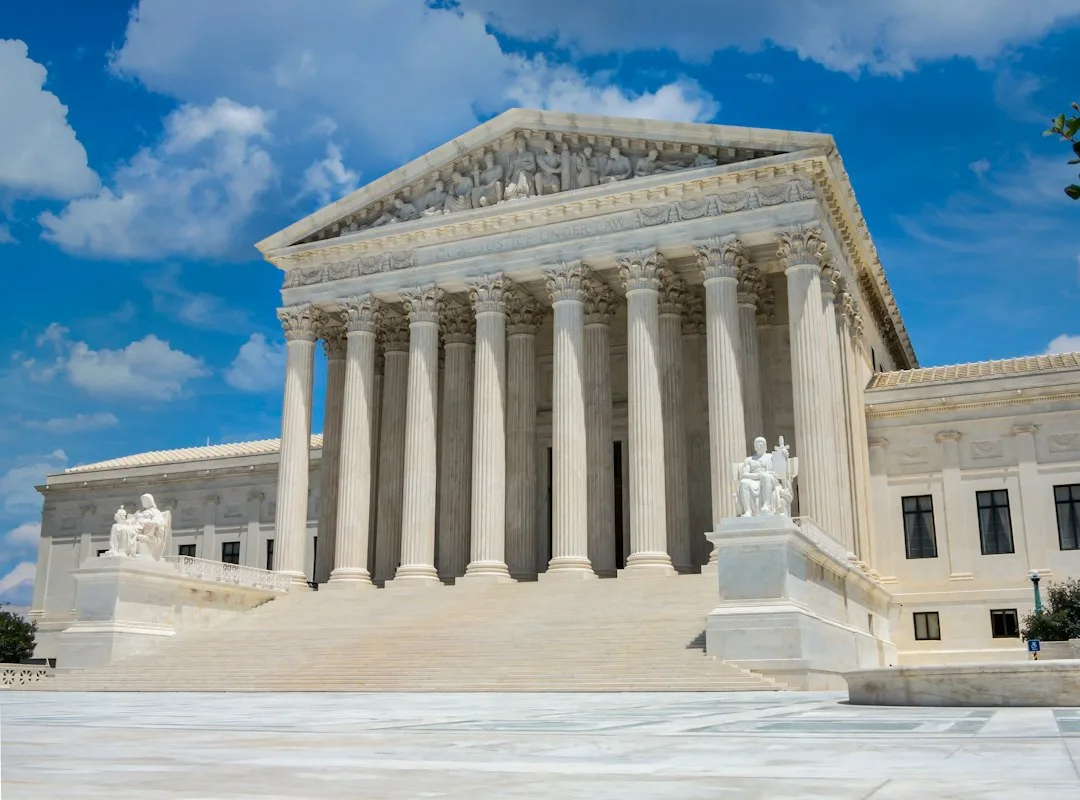
The Supreme Court issued a one-line, unsigned order on Monday denying the Justice Department's emergency request for an injunction. The ruling leaves in place a lower court decision and ensures that election workers in California do not have to separate mail ballots cast by roughly 20,000 individuals featured on a government list of "likely" noncitizens. There were no noted dissents on the court, which acted without asking California election officials to submit a response.
The Justice Department sought emergency intervention earlier in the day following a divided federal appeals court ruling. Last week, U.S. District Judge David Carter also rejected a request for a temporary restraining order, describing the administration's identification process as "rife with uncertainty and errors." The legal dispute unfolded in the closing days of the 2026 midterm campaign season, with voting underway since early October and more than 6 million mail ballots already returned.
President Trump has repeatedly claimed that noncitizen voting occurs in significant numbers, though confirmed instances remain rare. Under federal law, noncitizen voting is strictly prohibited. While federal prosecutors have brought criminal charges against more than 200 individuals for alleged illegal voting in past elections, the administration's recent effort directed all 58 California counties to set aside ballots from individuals flagged on its voter rolls until citizenship status could be verified.
Key Takeaways
- The Supreme Court unanimously turned down the Trump administration's request for an emergency injunction regarding California mail ballots.
- The decision means election workers will not have to segregate ballots from roughly 20,000 individuals flagged as potential noncitizens.
- Lower courts had previously rebuffed the Justice Department, citing errors and uncertainty in the government's identification process.
Why It Matters
The high-stakes legal battle highlights ongoing political tensions over voting integrity during the final stretch of the 2026 midterm elections, as Republicans fight to maintain control of the House and Senate. With millions of mail-in ballots already cast across California, the Supreme Court's swift refusal to intervene prevents last-minute administrative disruptions for local election officials handling the vote count.
Comments