Key Developments
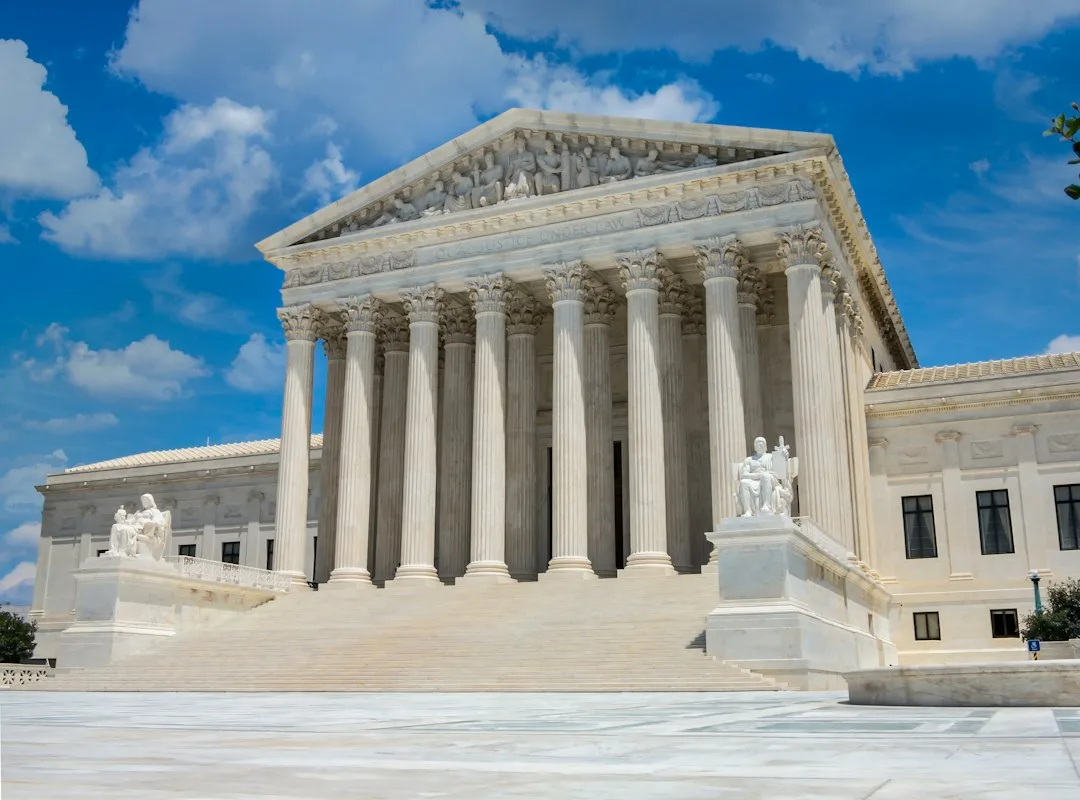
The Supreme Court will kick off its new term by examining a long-running dispute that originated in 2018 when the city and county of Boulder, Colorado, filed a lawsuit in state court. This suit targets Exxon Mobil, the nation's largest energy company, and Suncor Energy, which operates two oil refineries in Colorado. Boulder alleges that the companies' conduct has caused or contributed to climate change, leading to severe local impacts such as extreme heat, more frequent and larger wildfires, and damage to the ecosystem.
Boulder's lawsuit raises five claims under state law, asserting that the energy companies' production and allegedly deceptive marketing of fossil fuels have resulted in the "unchecked" use of their products, contributing to a rapid increase in atmospheric greenhouse gas concentrations. This case is one of dozens filed by states and local governments across the country, all seeking money damages from energy companies for past and future harms attributed to global warming.
Exxon and Suncor previously attempted to move the case from state to federal court, an effort that proved unsuccessful. They also sought to have the Boulder County District Court dismiss the case, arguing that federal law foreclosed the claims against them. After this request was denied, the companies petitioned the Colorado Supreme Court to intervene, ultimately leading the dispute to the U.S. Supreme Court.
Key Takeaways
- The Supreme Court will open its new term by hearing a significant case concerning climate change liability.
- The case involves Boulder, Colorado's lawsuit against Exxon Mobil and Suncor Energy, seeking damages for climate impacts.
- The core issue before the Supreme Court is whether Boulder's state-level lawsuit can proceed or if it is preempted by federal law.
Why It Matters
The Supreme Court's decision in this case will not determine the ultimate success or failure of Boulder's claims against the fossil-fuel producers. Instead, it will be a judgment on whether local governments like Boulder are permitted to pursue such cases in the first place. As Jonathan Adler, a law professor at William & Mary, noted, a win for Boulder from the Supreme Court would simply mean that "folks get to make their case."
This ruling could have significant implications for the numerous similar lawsuits filed by other states and local governments across the United States. While allowing these cases to proceed, the scope of what plaintiffs can pursue might still be narrowed significantly. The Supreme Court's decision will establish a crucial precedent regarding the interplay between state-level climate litigation and federal law, potentially shaping the future of climate accountability efforts in the U.S.
Comments