Northern California Hit by Historic Rain and Flooding
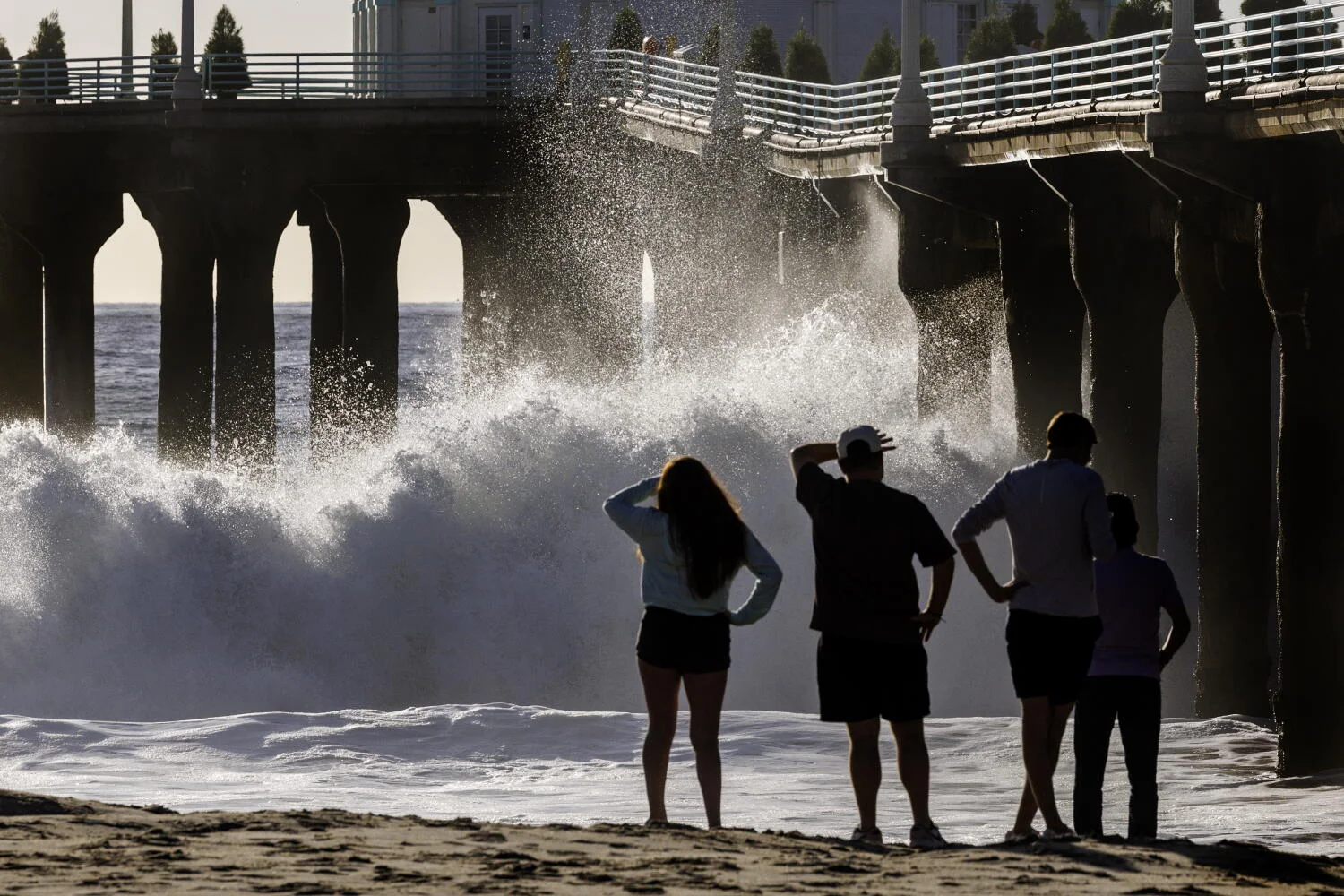
The atmospheric river system severely impacted Northern California, leaving San Francisco streets covered in waist-high waters, flooding buildings, and trapping cars on flooded Bay Area freeways. Rainfall in San Francisco reached 2.31 inches by late afternoon, breaking an 108-year-old record for November 18. More than 51,000 Pacific Gas & Electric customers lost power during the severe weather, which arrived just days after massive waves exceeding 50 feet high battered northern beaches alongside scattered flooding and waterspouts over San Francisco Bay.
As the storm system shifted southward, Southern California prepared for its first atmospheric river of the season. However, meteorologists emphasize that the true test of El Niño will unfold next week when powerful Pacific storms potentially align with exceptionally high king tides.
Impending King Tides and Storm Risks
- Exceptionally high king tides are scheduled to strike the California coast beginning Sunday and lasting through Black Friday.
- Forecasters warn of potential big swells and heavy rainfall occurring simultaneously with the elevated sea water levels.
- National Weather Service meteorologist Ryan Kittell notes that rain totals for next week remain unclear, leaving a possibility that those days could ultimately stay dry.
Historical Parallels and Future Tidal Threats
Scientists are monitoring the situation closely due to the destructive potential of combined sea level elevations and powerful storms, reminiscent of the severe winter of 1982-83. During that historic El Niño event, early storms in December 1982 battered the coast during low tides, eroding beaches and softening the shoreline before catastrophic storm surges and 13-foot waves struck during the highest tides of the year in January 1983.
Beyond the immediate threats next week, state officials and coastal residents must navigate similar anxious waiting periods around Christmas and Martin Luther King Jr. Day, when the coast is set to experience the other two rounds of exceptionally high king tides for the season.
Comments