Key Developments
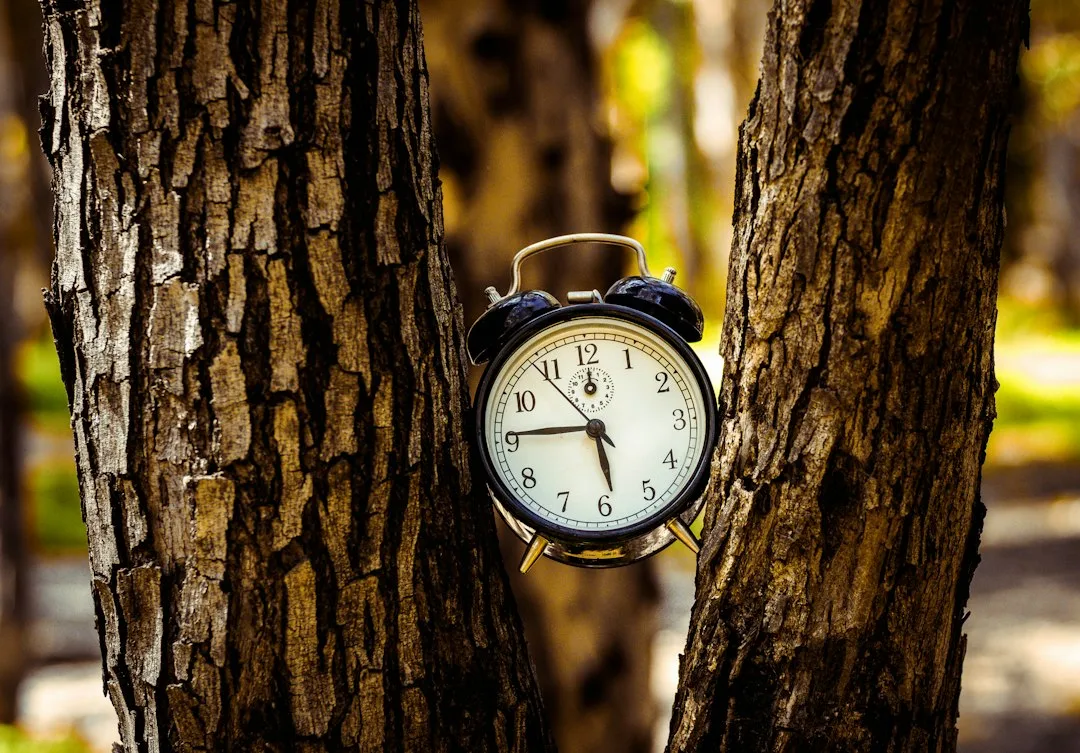
Millions of Americans gained an hour of sleep this weekend when the twice-a-year time change commonly known as daylight saving ended for 2026. Most of the U.S. "fell back" an hour when the clocks changed at 2 a.m. on Sunday, bringing earlier sunrises and sunsets.
Daylight saving time is the period during the year, from March to early November, when the majority of the U.S. operates one hour ahead of standard time. The move effectively "saves" an hour of daylight from the morning and adds it to the evening during the spring and summer months. With the return to standard time in the fall and winter months, daylight comes earlier in the morning. For example, in Boston on Saturday before the time change, the sun rose at 7:16 a.m. and set at 5:39 p.m., while on Sunday, sunrise shifted to 6:17 a.m. and sunset to 4:37 p.m., according to the National Weather Service.
Earlier this year, legislation known as the Sunshine Protection Act cleared a major hurdle in Congress to make daylight saving time permanent year-round. The bill passed the House in July and went to the Senate, though ongoing debates and political friction have continued to surround the proposal.
Key Takeaways
- Clocks Fall Back: Most of the U.S. turned clocks back one hour at 2 a.m. on Sunday, ending the 2026 daylight saving period.
- Historical Roots: The U.S. first adopted daylight saving time in 1918 during World War I to conserve fuel, before establishing uniform observation rules in 1966.
- Legislative Push: The Sunshine Protection Act passed the House earlier this year to explore year-round daylight saving time, though it awaits further Senate action.
Why It Matters
The biannual clock change directly impacts daily routines, sleep schedules, energy consumption, and public safety across the United States. While standard time restores morning light during darker winter months, renewed legislative efforts like the Sunshine Protection Act highlight a persistent national debate over whether to eliminate the time changes entirely and adopt permanent year-round daylight saving time.
Comments