Key Developments
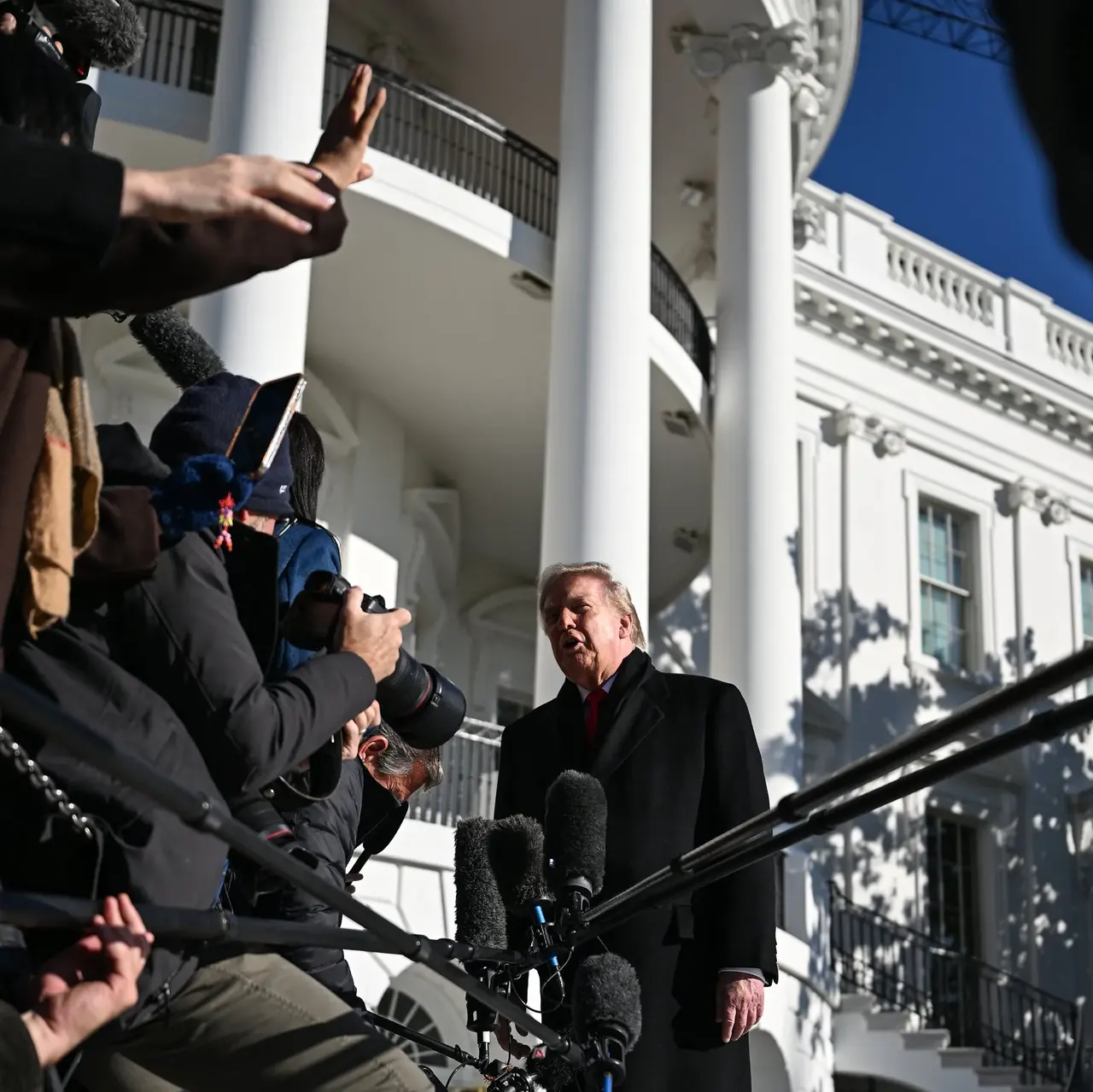
Speaking to reporters on the South Lawn before leaving for Asia on Monday, President Donald Trump publicly acknowledged internal conflict within his administration regarding China policy and advanced artificial intelligence technology. Mr. Trump stated that Treasury Secretary Scott Bessent and Commerce Secretary Howard Lutnick hold contrasting approaches toward Beijing as the administration addresses a loophole allowing China to access advanced A.I. chips through overseas data centers.
"One wants to be friendly with China, and one wants to have a blowup with China," Mr. Trump said of his two cabinet secretaries. "Both are acceptable, but they’re different views." Before departing, Mr. Trump emphasized that he does not want to make moves that "insult China," even as he prepares to meet Chinese President Xi Jinping and Russian President Vladimir V. Putin at a summit in Shenzhen.
The internal cabinet debate has intensified following the resignation last week of Nvidia chief executive Jensen Huang. Mr. Huang stepped down after revelations of two extramarital affairs, including one with Alice Huang, a woman identified by U.S. officials as a Chinese intelligence asset. While Chinese officials have denied that she is an intelligence operative, Mr. Trump again cast doubt on the intelligence assessment on Monday. The president has downplayed warnings received from U.S. intelligence officials and Secretary of State Marco Rubio regarding espionage risks, choosing instead to focus on avoiding another trade war and maintaining support for Nvidia's semiconductor business.
Key Takeaways
- Cabinet Disagreements Exposed: Treasury Secretary Scott Bessent and Commerce Secretary Howard Lutnick are split on how aggressively to close loopholes granting China access to advanced A.I. chips via foreign data centers.
- Fallout from Nvidia Scandal: The resignation of Nvidia CEO Jensen Huang over links to an alleged Chinese intelligence asset has heightened national security concerns within Washington.
- Trump Seeks Diplomacy: President Trump expressed reluctance to insult China or provoke a trade war ahead of meetings with Chinese President Xi Jinping and Russian President Vladimir V. Putin in Shenzhen.
Why It Matters
The public friction within the Trump administration highlights the complex challenge of balancing U.S. national security interests against economic priorities. As artificial intelligence chips remain a critical battleground in global technology dominance, the administration's struggle to unite around a singular policy strategy comes at a sensitive moment just as top-level diplomatic talks with Beijing and Moscow begin in Shenzhen.
Comments