Key Developments
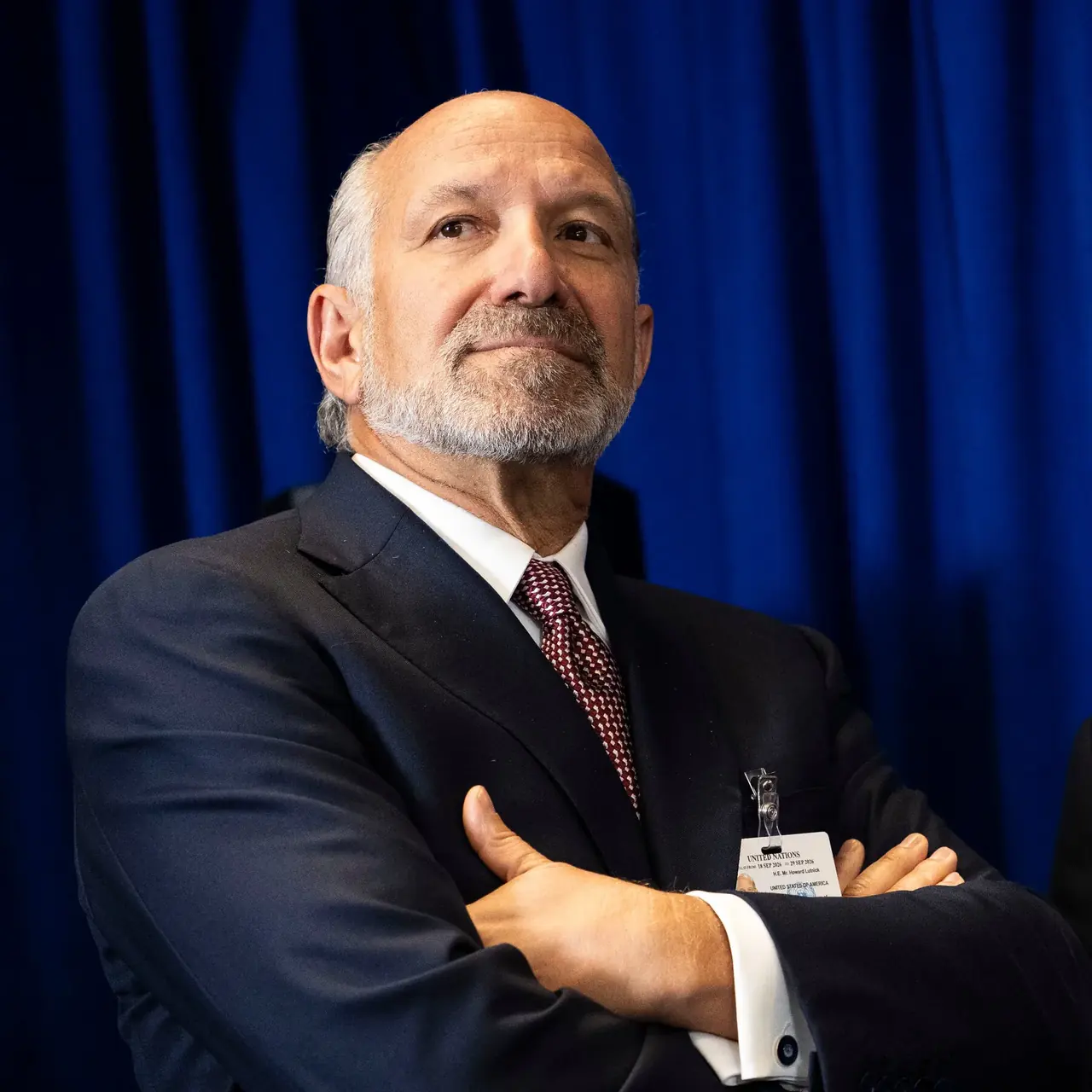
Commerce Secretary Howard Lutnick and his department have faced growing accusations from congressional critics and administration officials of shielding Nvidia. Over the past year, Mr. Lutnick frequently clashed with top Trump administration officials regarding how to regulate advanced technology sales to Asia, particularly focusing on Nvidia's chip distribution in the region.
The controversy intensified following revelations that Nvidia CEO Jensen Huang was in a relationship with Alice Huang, a top executive at Megaspeed—a Singapore-based firm suspected of smuggling Nvidia chips to China whom U.S. intelligence identified as a Chinese spy. Following the disclosure, Jensen Huang announced he was stepping down from Megaspeed, causing the company's shares to tumble and thrusting Mr. Lutnick into an uncomfortable spotlight.
Key Takeaways
- Regulatory Friction: Howard Lutnick frequently clashed with senior administration officials advocating for aggressive controls on Nvidia's advanced chips.
- Espionage Revelations: Scrutiny over Commerce Department oversight mounted after disclosures regarding Nvidia CEO Jensen Huang's relationship with a Megaspeed executive suspected by U.S. intelligence of being a Chinese spy.
- Leadership Fallout: Jensen Huang stepped down from Megaspeed, sending the company's shares tumbling and sparking questions about the influence of high-profile business leaders on federal export policy.
Why It Matters
The situation highlights intense geopolitical stakes in the global artificial intelligence race between the United States and China. China hawks have continuously warned that allowing the sale of advanced semiconductor technology to Asian markets accelerates Beijing's ability to dominate artificial intelligence, making regulatory oversight a critical national security issue for the administration.
Comments