Key Developments
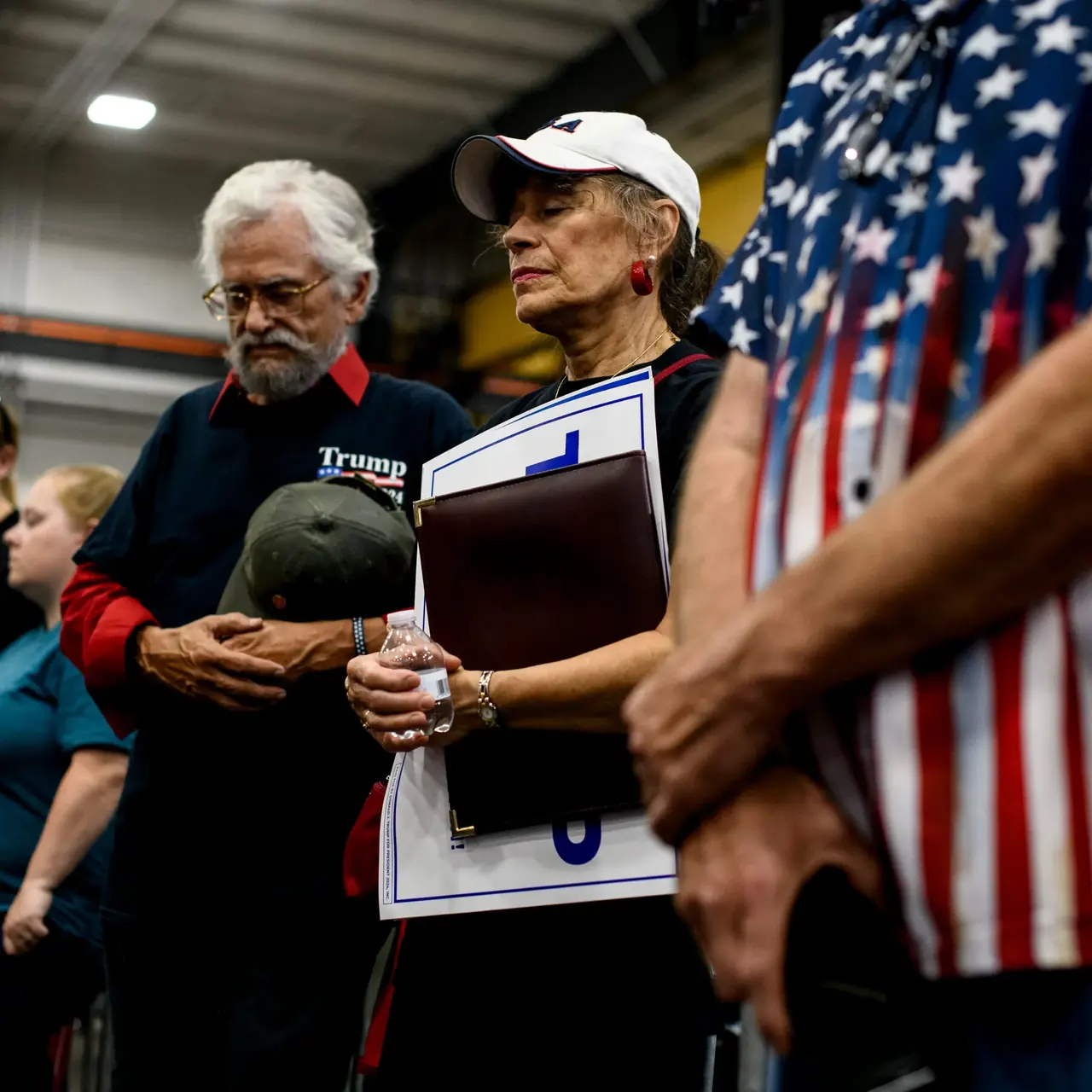
The midterm election results delivered a stinging setback for the Christian right, plunging the movement into uncertainty and triggering a scramble to reorganize ahead of the 2028 presidential race. Over the past decade, conservative Christians have closely aligned their political ambitions with President Trump, integrating their goals—particularly regarding abortion—into the broader MAGA coalition. With the recent election losses, however, that grip inside the Republican Party has noticeably weakened.
Prominent Christian activists, such as American Principles Project President Terry Schilling, noted that the administration yielded few major legislative successes beyond executive orders establishing the White House Faith Office and addressing anti-Christian bias. Meanwhile, an energized religious left successfully utilized moral arguments centered on protesting ICE and restoring social safety net cuts to secure victories.
Key Takeaways
- Major Setbacks: The Christian right suffered severe defeats in the midterm elections, marking its biggest losses since reaching new levels of political power under President Trump.
- Strategic Pivot: Movement leaders are shifting their focus toward economic affordability as an essential part of their vision for the American family to compete with the religious left.
- 2028 Preparations: Activists and political figures, including Senator Josh Hawley, are actively scrambling to recalibrate their messaging and policy priorities ahead of the next presidential contest.
Why It Matters
The recent electoral defeats highlight a pivotal inflection point for the conservative Christian movement and its relationship with the broader Republican coalition. As religious conservatives grapple with a lack of major legislative achievements over the past two years, the shift toward affordability and family support underscores an urgent need to adapt to changing voter priorities. This recalibration could fundamentally alter the political landscape as both parties look ahead to the 2028 presidential election.
Comments